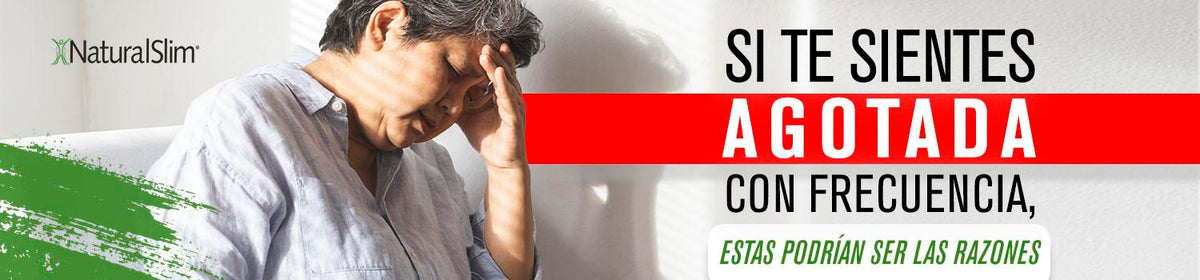
Feeling drained, day after day, isn't something you have to accept as part of getting older or "just how you are." And it's almost never a lack of willpower. Most of the time it's a lack of information about what your body needs to actually produce energy.
Think of your body as an engine. An engine doesn't run just because you turn the key: it needs good fuel, enough water in the system, and every part doing its job. When one of those conditions is missing, the engine loses power. Constant tiredness, struggling to exercise, mental fog and a metabolism that feels slow are often that engine asking for what it lacks.
Here are six common causes of low energy in everyday life — and, above all, what you can do about each one.
1. Dehydration
Water is involved in nearly every process in the body, including how your cells produce energy. A lot of people carry tiredness around for something as simple as not drinking enough water through the day.
A simple guide: divide your weight in kilos by 7 and you get the approximate number of 250 ml glasses of water worth drinking each day. When the body has the water it needs, cells work better — and you notice it in both physical and mental energy.
2. A digestion that doesn't make the most of your food
You can eat very well, but if your body doesn't digest and absorb the way it should, you don't get all the energy out of what you eat. Signs like bloating, heaviness or a sluggish-digestion feeling suggest your food isn't being put to good use.
Looking after digestion starts with the basics: eating calmly, chewing well, not piling too many different things into one meal, and leaving time between meals. Small habits that help the engine receive its fuel better.
3. Eating without taking your metabolism type into account
Not every body works the same. In the NaturalSlim® System we talk about two metabolism types, and recognising yours changes a lot about how you eat:
- Excited metabolism: usually feels better with lighter, lower-fat meals — more vegetables, salads, green juices and white meats like chicken and fish.
- Passive metabolism: usually needs more healthy fats and proteins, such as red meat, alongside vegetables to nourish the body well.
Eating against your metabolism type can leave you with less energy and that slow-metabolism feeling. Eating with it is one of the changes people notice most.
4. Too many Type E foods
Type E foods (sugars, flours and refined carbohydrates) give a quick lift in energy… almost always followed by a dip. The result is tiredness, hunger again before long, and low spirits.
This is where the 3x1 Diet® comes in — not a diet of bans but a proportion: fill three quarters of your plate with Type A foods (proteins, vegetables, salads, egg, cheese) and leave just one quarter for Type E. It's a simple shift that helps keep energy steadier across the day.
5. The body is missing the nutrients it uses to make energy
To generate energy at the cellular level, the body uses nutrients such as the B-group vitamins and minerals like magnesium. When daily food doesn't supply enough of them, it's common to feel more tired than you should.
The B-group vitamins and magnesium contribute to normal energy-yielding metabolism and to the reduction of tiredness and fatigue; magnesium also contributes to the normal functioning of the nervous system and to normal muscle function. That's why many people build a daily supply of these nutrients into their routine.
Metabolic Vitamins™ is a B-group vitamin formula with minerals, designed precisely to support this daily supply. And MagicMag® provides magnesium in a well-absorbed form that's easy to take each day dissolved in water.
6. An imbalance in the body's flora
The body naturally lives alongside various microorganisms, among them a yeast called candida. When diet and lifestyle tip that balance, some people associate that stretch with lower energy and more sugar cravings.
Within the NaturalSlim® System we support people who want to do a cleanse to rebalance that flora — always as part of a lifestyle change and with a consultant's guidance. It isn't a medical treatment: it's a habits-based approach.
Low energy has causes — and almost all of them can be worked on
If you recognise yourself in several of these points, here's the good news: low energy isn't your fate, and it isn't your fault. It's almost always the result of a few pieces that can be adjusted — the water, the way you eat, the nutrients your body uses every day.
You don't have to solve it alone or by guessing. At NaturalSlim Europe you have a team of Certified Metabolism Consultants™ who can help you understand your own situation and take the first steps. There's nothing to buy to begin: the first step is simply talking to someone who understands how your metabolism works.


Share:
How to Quit Soft Drinks (Without Suffering) and Why Your Metabolism Will Thank You